

Z Alphabet Letter Tracing Worksheets
Marking the final milestone of the alphabet, Z Alphabet Letter Tracing Worksheets focus on sharp, alternating directional changes. These exercises are vital for developing handwriting speed and teaching children how to execute crisp, horizontal and diagonal transitions within a single character.
Z Alphabet Letter Tracing Worksheets With Answers and Free PDF For Preschool, Kindergarten To Class 1 or Grade 1
These Letter Tracing Worksheets are perfect for helping kids finish the alphabet with confidence. This printable includes big dotted uppercase and lowercase Z that guide children through zigzag strokes. It’s a great fit for LKG and preschool kids working on stroke direction.
Learning to write diagonals and sharp turns can feel tricky, but consistent tracing makes it easier. Worksheets like this offer a reliable method to build writing control over time.
Answer
Kids trace capital Z and small z by following dotted guides. Saying the letter aloud helps reinforce memory. In the end, they write the letters on their own to show what they’ve learned.
Learning Outcomes
- Proficiency in writing uppercase ‘Z’ and lowercase ‘z’ with sharp, well-defined corners.
- Strengthened visual recognition of the “zet” sound through association with iconic wildlife imagery.
- Enhanced manual dexterity and stamina required to complete the full 26-letter alphabetical set.
FAQs
Why do children sometimes reverse the letter ‘Z’?
Because of its zig-zag nature, children may get confused; the directional arrows in our worksheets guide them from left to right correctly.
Is the letter ‘Z’ a good stopping point for daily practice?
Yes, as the final letter, it provides a sense of accomplishment for students completing their tracing curriculum.
Quick Summary
Z Alphabet Letter Tracing Worksheets provide a rewarding conclusion to a child’s early writing journey. Through disciplined tracing and professional-grade visual prompts, these worksheets help students master the final alphabetical character, ensuring they possess the manual control and visual sharpness required for future academic success.
Was this worksheet helpful?
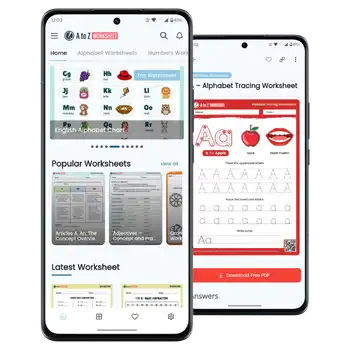
Download Our Official App
Get exclusive access to premium worksheet PDFs for free! Download the A To Z Worksheet App to explore 2,000+ interactive resources in 10+ languages. Perfect for offline learning and quick printing.

Explore Our Premium Worksheet Store!
Discover our premium collection of worksheets for kids of all ages! Available in English, Hindi, Gujarati, and Marathi bundles, these resources are perfect for home learning and classroom activities. Enhance your child’s learning experience with our carefully designed worksheets.
Explore Now*Terms & conditions apply. Worksheets are intended for educational purposes only.