
Write The Missing Number Worksheet (Free PDF Kids)
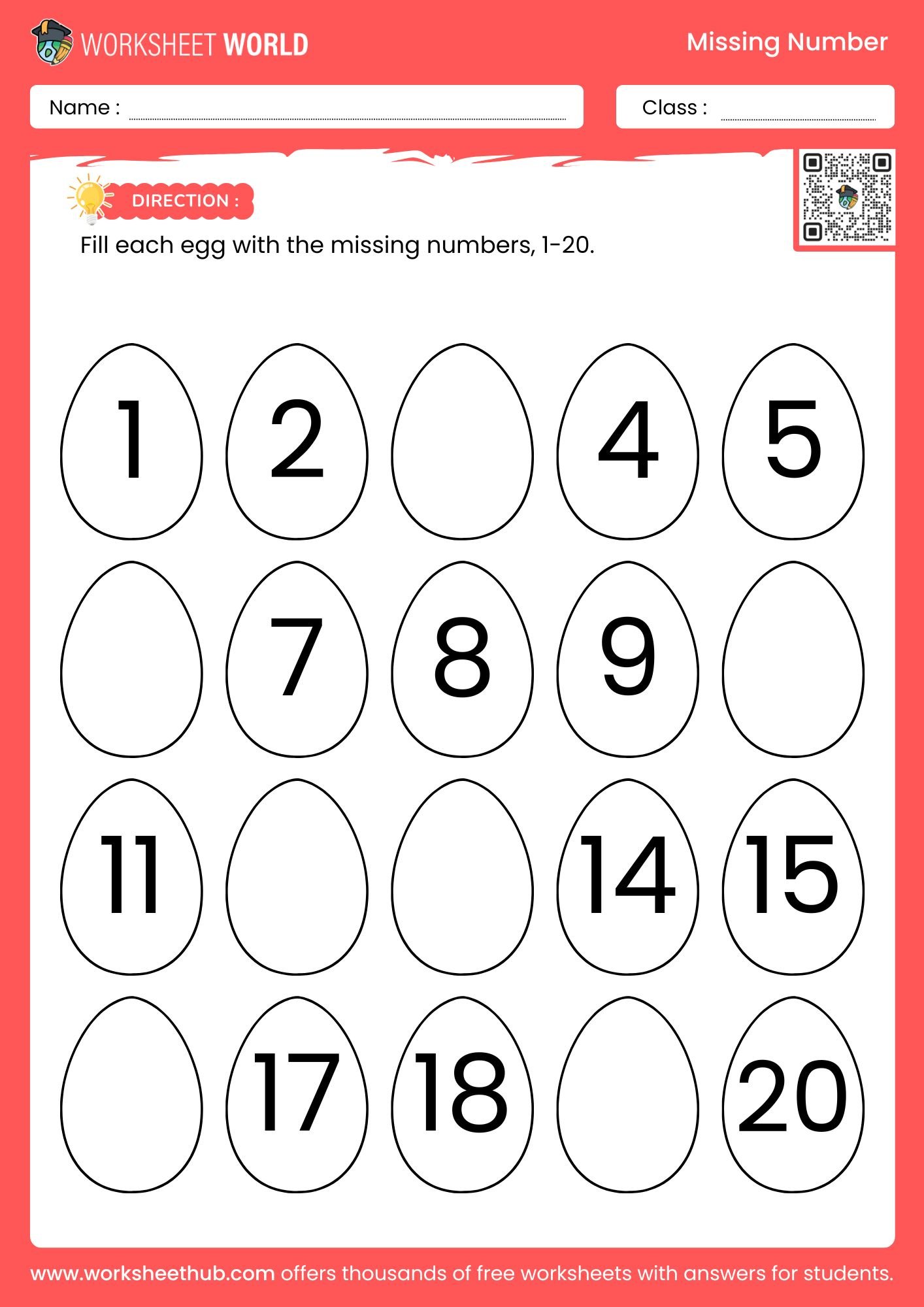
Write The Missing Number Worksheet helps young learners practise sequencing skills along with the extra activities provided in this resource. This sheet supports early counting development and makes number recognition easier for beginners through simple fill-in-the-blank tasks.
Write The Missing Number Worksheet With Answers and Free PDF For Kindergarten To Grade 1
This practice sheet encourages children to observe number order carefully and fill the empty spaces with the correct digits. By working through the number sequence, learners improve their ability to identify patterns and continue the series independently.
The bright design and clear layout help children stay focused. These activities also support foundational maths readiness, making it easier for students to transition to bigger number ranges later on.
Answers
Below are the correct missing numbers for the worksheet shown above. Children can verify their work after completing the activity.
Missing numbers: 3, 6, 10, 12, 13, 16, 19
Learning Outcomes
This worksheet helps children strengthen number order understanding, improve counting accuracy, and recognise patterns with confidence. Regular practice also builds writing skills and prepares learners for larger counting tasks.
FAQs
Below are topic-related questions and answers that parents and teachers commonly ask while helping children learn number order and early counting concepts.
What is a Write The Missing Number Worksheet used for?
It helps children practise completing number sequences correctly.
How can I teach number order easily?
Start with small ranges, guide them verbally, then gradually introduce independent practice.
What skills does this activity develop?
It improves sequencing, attention, and early maths readiness.
How often should children practise sequencing tasks?
Short daily sessions help learners gain better accuracy and confidence.
Quick Summary
Write The Missing Number Worksheet gives children a clear way to practise number sequencing from one to twenty. It reinforces counting and pattern recognition through simple fill-in-the-blank tasks. Regular practice supports early maths development and builds confidence in working with number series.
Was this worksheet helpful?

Download Our Official App
Get exclusive access to premium worksheet PDFs for free! Download the A To Z Worksheet App to explore 2,000+ interactive resources in 10+ languages. Perfect for offline learning and quick printing.

Explore Our Premium Worksheet Store!
Discover our premium collection of worksheets for kids of all ages! Available in English, Hindi, Gujarati, and Marathi bundles, these resources are perfect for home learning and classroom activities. Enhance your child’s learning experience with our carefully designed worksheets.
Explore Now*Terms & conditions apply. Worksheets are intended for educational purposes only.